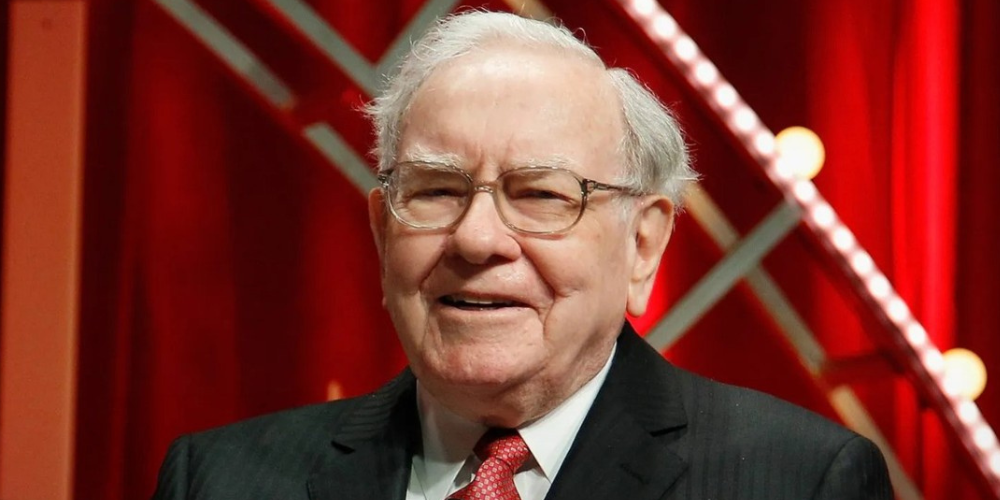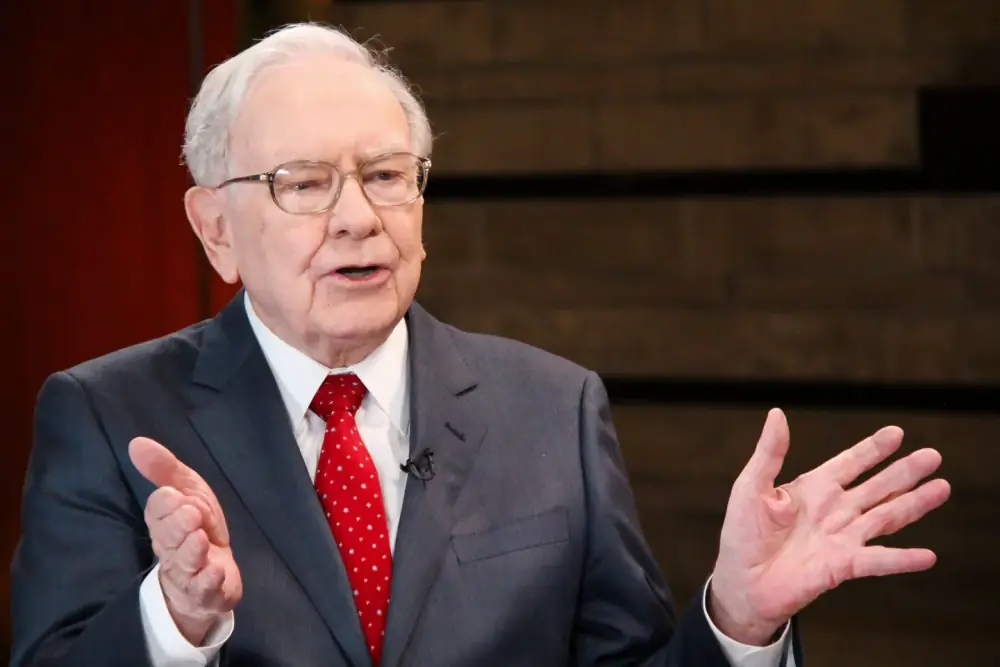
Stock market drops feel personal. Prices fall fast, headlines turn loud, and fear spreads even faster. It becomes tempting to act right away, often in the worst way. Warren Buffett has spent decades watching this cycle repeat.
The 95-year-old Oracle of Omaha’s message stays steady through every crash. Market declines are normal, and smart investors treat them as part of the process, not a signal to run.
Control Your Emotions Before You Touch Your Portfolio
Buffett’s first rule is simple: Keep your emotions out of your decisions. Fear and greed push people to buy high and sell low, and that pattern destroys long-term returns. Staying calm gives you a real edge.
When prices drop, many investors panic and sell. That locks in losses that could have recovered with time. Buffett reminds us that a falling market does not mean a broken investment. It often just means the mood has changed.
The investment maestro has often said that big drops will happen, and they will come without warning. That idea sounds scary at first, but it actually helps you prepare. When you expect volatility, you stop reacting to it.
Instead of seeing declines as danger, Buffett treats them like a chance. Lower prices can offer better value, especially when the business itself is still strong. Calm thinking turns fear into opportunity.
Focus on Business Value, Not Stock Prices
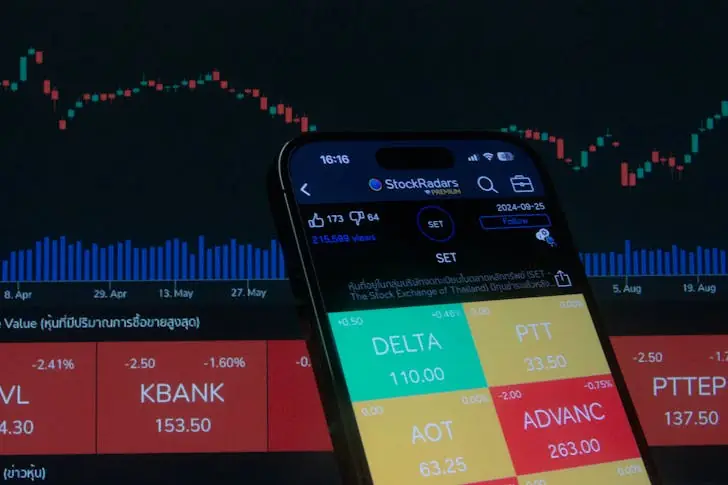
If a good company keeps earning and growing, a temporary price drop should not shake your confidence. The value of the business stays intact even when the market gets emotional. That is the core of value investing.
The Berkshire Hathaway chair often compares stocks to items on sale. When a product you like becomes cheaper, you do not complain. You consider buying more. The same logic applies to strong companies during a downturn.
Short-term price moves can distract you from what matters. Buffett’s approach cuts through that noise. He focuses on long-term earnings, competitive strength, and management quality, not daily price charts.
Patience and Cash Give You Real Power
Buffett’s recent moves show his discipline in action. Before stepping down, he built a massive cash reserve instead of chasing expensive stocks. Holding cash gives you flexibility. When markets drop, you can act instead of panicking.
Many investors miss this point and stay fully invested at all times, leaving no room to take advantage of lower prices.
Buffett waits for the right price, not just any price. That patience keeps him from overpaying during strong markets. It also prepares him for the moments when others feel too nervous to invest.
Valuations matter more than excitement. When the overall market looks expensive, stepping back can be a smart move. Buffett’s restraint shows that doing nothing can sometimes be the best decision. When a real opportunity appears, he moves with confidence.
Trust the Long-Term Strength of the Market
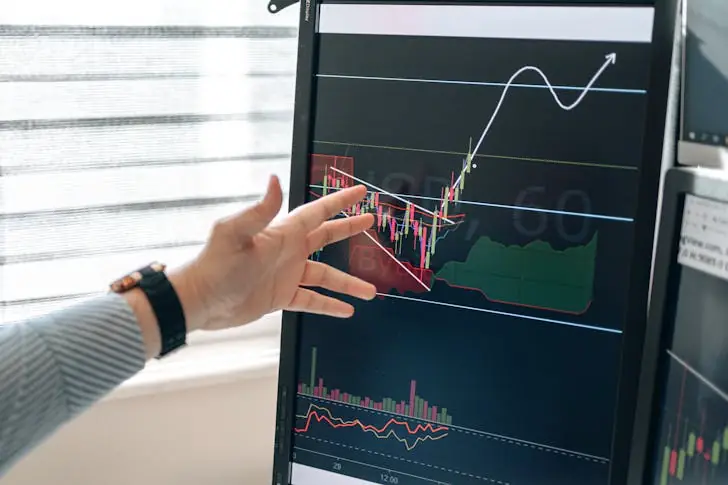
Buffett has pointed out that even Berkshire Hathaway has seen large drops in its own stock. Those moments felt uncomfortable, but they did not define the company’s future. Recovery followed each decline.
This long view helps you stay steady when things look uncertain. Instead of focusing on today’s losses, you think about where the business and the economy will be in ten or twenty years. That shift changes your whole mindset.