Startup founders hear advice from almost every direction. Investors offer rules, executives recommend books, podcasts sell formulas, and successful founders explain what supposedly made everything work.
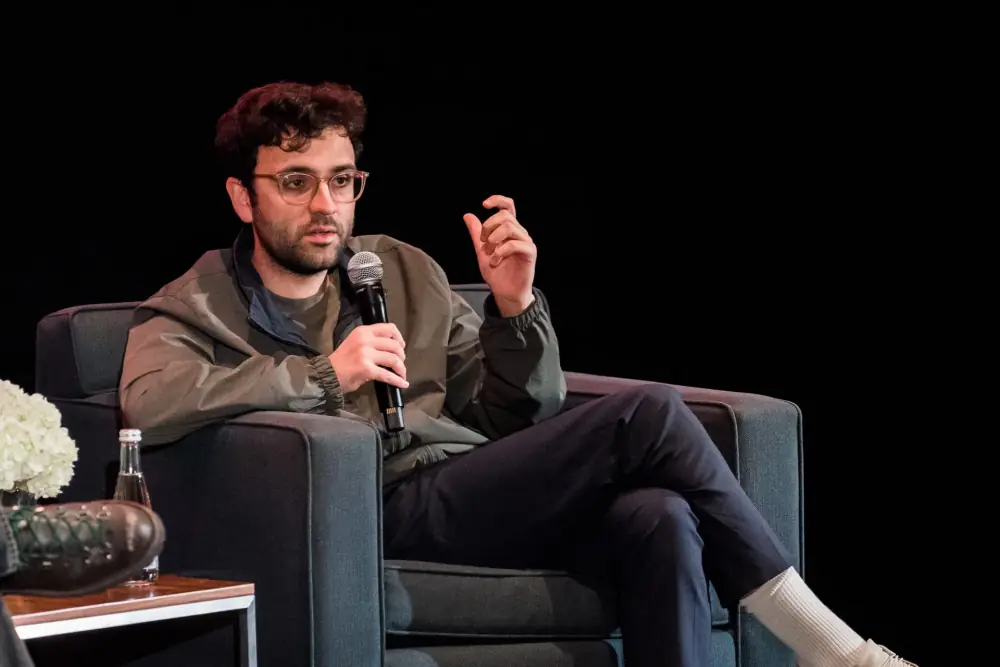
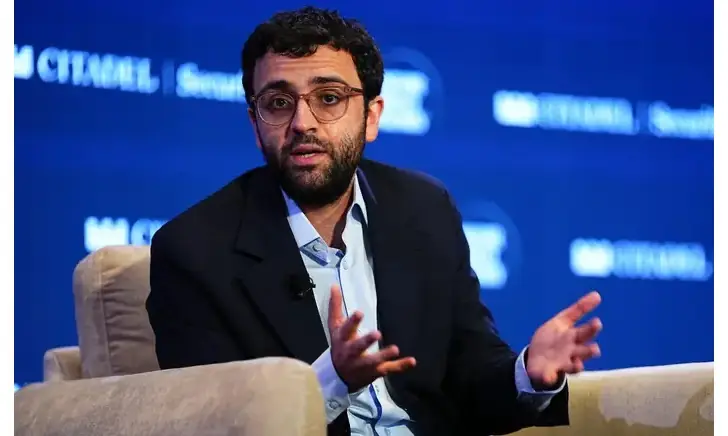
Tarek Mansour is not buying much of it. The 30-year-old co-founder and CEO of prediction market platform Kalshi thinks founders can hurt themselves by collecting too much advice. His argument is simple. Building a company does not come with one reliable recipe. “The worst advice that most people get is that you should go and seek out a bunch of advice,” Mansour told The New York Times. “There’s really no recipe to any of this stuff.” He has also described conventional business advice as “usually mostly trash.”
That sounds provocative until Kalshi’s numbers enter the picture. The company raised $1 billion in a Series F round in May 2026, giving it a $22 billion valuation. That figure doubled its $11 billion valuation from only five months earlier.
Kalshi says it now handles more than 90 percent of U.S. prediction market activity. The company also reported that its annualized trading volume jumped from $52 billion to $178 billion in six months. Institutional trading volume climbed 800 percent during the same period. (Kalshi News)
Tarek Mansour Would Rather Learn by Building
A strategy that helped one software company may fail inside a financial exchange. A management system that works with 5,000 employees could suffocate a startup with 50. Context changes the value of the advice.
Mansour has taken that idea unusually far inside Kalshi. He has said that he and co-founder Luana Lopes Lara did not build the company around management books, executive podcasts, or established leadership formulas. Instead, they have learned through operating the business and solving problems as those problems appear.
That approach has produced what Mansour calls “chaos by design.” Kalshi has kept a relatively flat structure, with many employees reporting closely to its two founders instead of working through several layers of management. Mansour has acknowledged that the structure looks unconventional, but the lack of convention is intentional.
The founders also bring very different instincts to major decisions. Mansour describes himself as a cautious risk manager, while Lara often pushes toward more aggressive action. Their disagreements can create friction, but Mansour believes that tension helps Kalshi avoid drifting too far toward either extreme.
Kalshi Turned a Regulatory Fight into a Growth Engine
The betting giant’s history gives Mansour a powerful example. One of the company’s defining decisions was also one that advisers could reasonably have considered reckless.
Kalshi took legal action against the Commodity Futures Trading Commission over restrictions involving election event contracts. Mansour later described the move as an asymmetric bet with enormous potential upside. He said the company effectively “bet the farm” without a backup plan.
Kalshi’s Biggest Risks Have Not Disappeared

Kalshi rejects that position and argues that its event contracts fall under federal regulation through the CFTC. Reuters reported that possible penalties could reach roughly $36 billion.
The dispute shows the other side of Mansour’s philosophy. Big risks can create big advantages, but they can also create enormous legal and financial exposure. Kalshi’s regulatory strategy remains central to both its success and its current challenges.
Mansour has defended the company by arguing that prediction markets are disrupting established industries while attracting growing consumer demand. That conflict is unlikely to disappear as Kalshi gets larger.
The company is already thinking about another major milestone, an initial public offering. Mansour confirmed in June that Kalshi had begun considering an IPO, but he ruled out a public listing in 2026. Reports have pointed to late 2027 or 2028 as a more realistic window, although no firm date has been announced.