In today’s volatile global environment, with conflicts like Russia’s invasion of Ukraine and China’s aggressive stance towards Taiwan, the idea of a third World War is not far-fetched. So, what a third World War means for investors?
Well, war situations create significant uncertainty for investors. Markets thrive on stability, and any hint of large-scale conflict can trigger panic and sell-offs.
For investors, this means heightened volatility. The first impact of a major conflict is often a sharp decline in stock markets. This can be due to fear and uncertainty as investors rush to safe-haven assets like gold and government bonds. Understanding these risks and planning for them can make a significant difference in maintaining a balanced portfolio.
How a Third World War Would Impact Global Markets?
Global markets are deeply interconnected. What a third World War means for investors is a potentially catastrophic disruption. Stocks would likely plummet, with major indices suffering severe losses. Companies with international exposure could be particularly hard hit, especially those in sectors like travel, finance, and manufacturing.
The ripple effects would be felt far and wide. For example, European markets might suffer more if conflicts are closer to home. Likewise, Asian markets could be heavily impacted by disruptions in trade with China. In such scenarios, investors need to be agile, ready to reassess and reallocate their portfolios swiftly.
What Are ‘Safe-Haven’ Assets in Times of War?
In times of war, investors often flock to safe-haven assets. What a third World War means for investors in this context is a renewed focus on gold, the US dollar, and government bonds. These assets typically retain or increase in value during periods of uncertainty and turmoil.

Likewise, the US dollar, despite America’s involvement in global conflicts, remains a preferred safe haven due to its liquidity and perceived stability. Government bonds, especially those from stable economies, also become more attractive, providing a reliable income stream amidst market chaos.
Energy Sector Volatility: The Ripple Effect of the Looming Third World War
Conflicts often disrupt energy supplies, which can lead to volatile prices. What a third World War means for investors in the energy sector is heightened uncertainty. Russia’s role as a major energy supplier to Europe and potential conflicts in the South China Sea, a crucial route for oil transportation, could cause significant supply chain disruptions.
At this point, diversifying into renewable energy could provide a hedge against such geopolitical risks.
What a Third World War Means for Investors
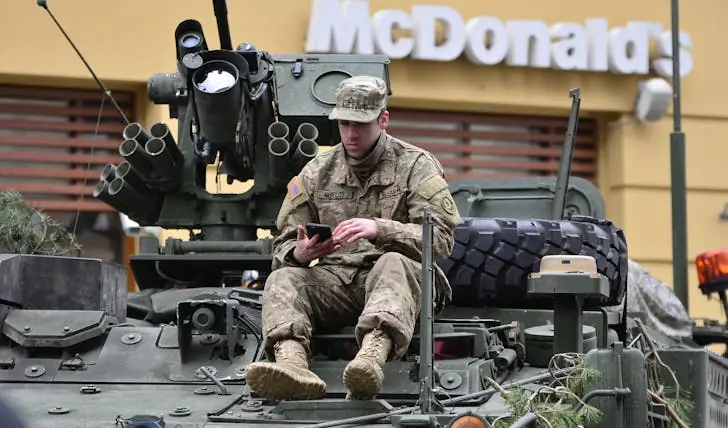
While many sectors may suffer, defense stocks could see a boost. What a third World War means for investors is potential opportunities in defense and cybersecurity. Governments increase defense spending during conflicts, benefiting companies involved in manufacturing weapons, defense technology, and cybersecurity solutions.
Cybersecurity becomes particularly crucial as cyber warfare escalates. Investing in firms that provide robust cybersecurity solutions can be a strategic move. These companies protect critical infrastructure from attacks, making them valuable assets during heightened geopolitical tensions.
So, for investors, this could mean reassessing strategies that are sensitive to inflation. Real assets like real estate and commodities often perform well during inflationary periods. Adjusting portfolios to include these assets can help mitigate the adverse effects of inflation.