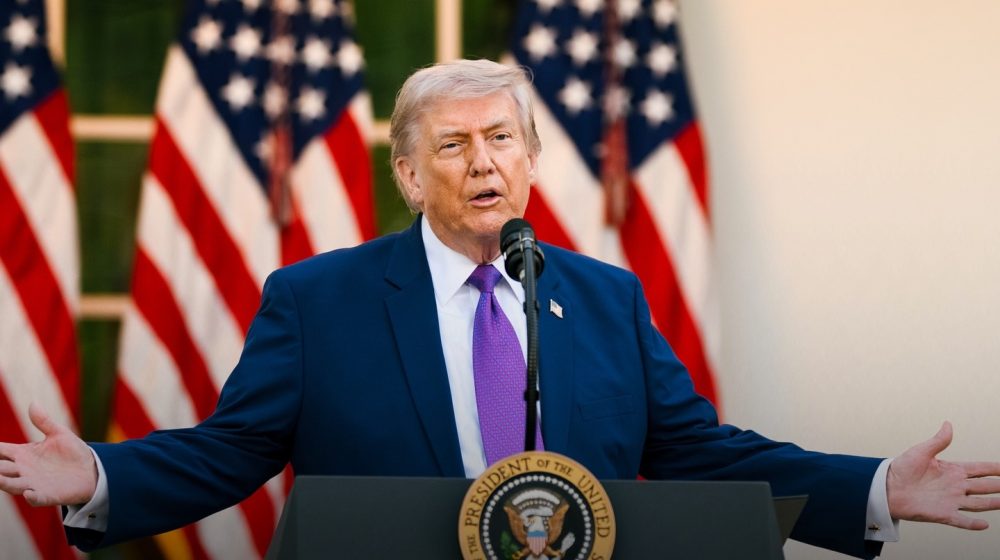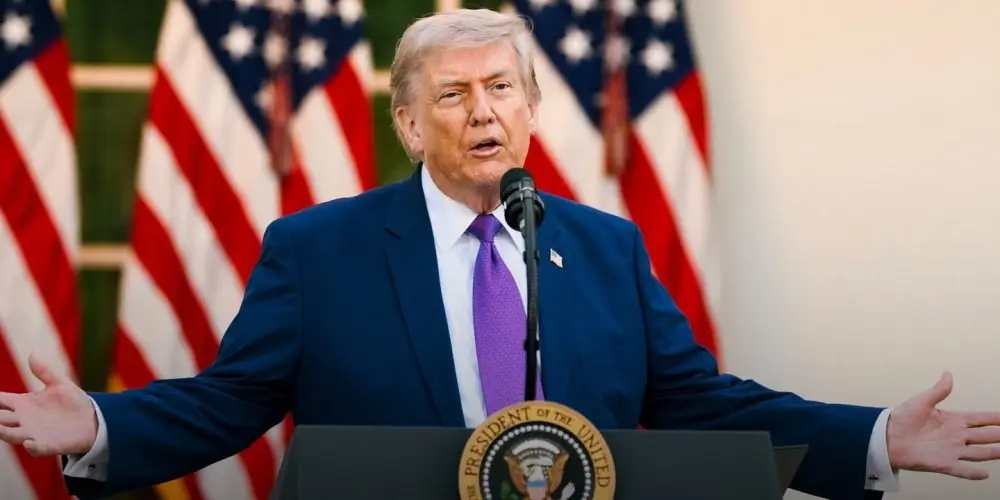
President Donald Trump has never been known for quiet speeches. His latest major addresses have stayed true to that style. They were long, energetic, and packed with bold claims about the country’s future. They also carried a clear political message as the 2026 midterm elections move closer.
Many political analysts say those speeches spent more time rallying supporters than calming voters worried about rising prices, jobs, and household budgets. While Trump praised his record and promised a brighter future, critics argued that Americans wanted more direct answers about everyday financial struggles. That contrast has become one of the biggest talking points after his recent appearances.
The Latest Speech Was Built Around Politics
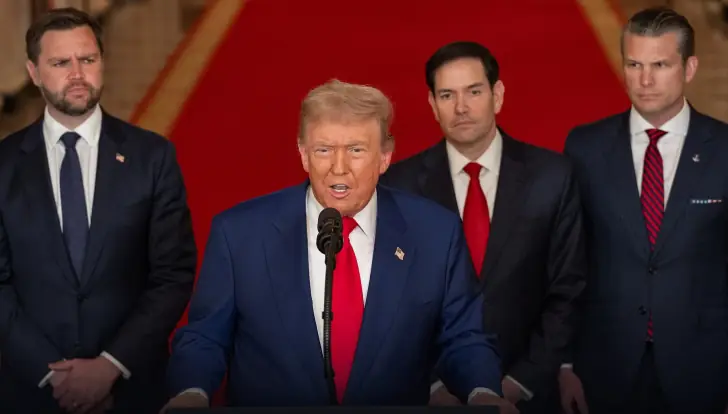
The president described the beginning of what he called America’s “golden age” and pointed to tariffs, border security, and immigration enforcement as major achievements of his administration. The speech was packed with applause from Republican lawmakers and loud protests from many Democrats, showing just how divided Washington remains.
One of Trump’s strongest lines came when he declared, “The golden age of America has begun.” That message aimed to paint a picture of confidence and success. Yet outside the Capitol, many voters were asking different questions. Families continued to worry about grocery bills, housing costs, and the overall direction of the economy, making the optimistic message harder for some Americans to accept.
Political observers also noted that the speech looked ahead to the midterm elections. Rather than offering detailed proposals on lowering costs, Trump spent significant time defending his policies and attacking political opponents. Analysts described it as a speech designed to energize supporters before a critical election year.
The sharp partisan atmosphere reinforced that impression. Several Democratic lawmakers skipped the event, while others protested during the address. Instead of creating a rare moment of national unity, the evening highlighted the country’s deep political divide.
Economic Concerns Stayed in the Background
Trump argued that his administration had produced an economic turnaround. He defended tariffs as a key part of his strategy and presented them as tools that would strengthen American industry over time. His supporters applauded those claims, saying the policies put American workers first.
Polling released before the speech told a more complicated story. An ABC News, Washington Post, Ipsos survey found Trump’s approval rating at 39 percent, while 60 percent disapproved of his overall job performance. Majorities also disapproved of his handling of inflation, tariffs, and the economy. This suggests that many Americans remained unconvinced by the White House message.
Economic data also raised fresh questions. Growth slowed during 2025, and concerns over consumer prices continued to dominate public opinion. Pew Research found that Americans ranked the cost of health care, food, housing, and everyday goods among their biggest worries. Those issues received far less attention than immigration and political conflict during Trump’s address.
Critics also challenged the administration’s repeated claims about tariffs. Economists argue that import costs are passed along to American businesses and consumers. This creates higher prices instead of lowering them. That debate remains central to the broader discussion over Trump’s economic agenda.
Looking Ahead to the Midterms
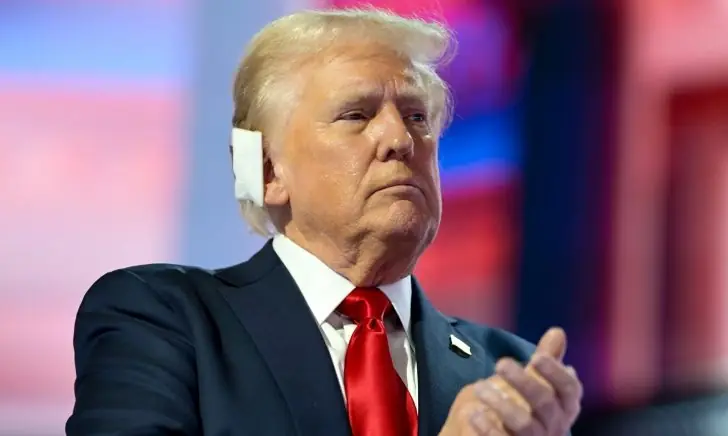
Commentators viewed the speech as another effort to shape the conversation before the midterm elections.
Foreign policy also hovered in the background. The administration faced growing pressure over tensions in the Middle East and trade disputes abroad. Those developments carried economic consequences, including concerns about energy prices and market uncertainty. Even so, those issues received limited attention compared with Trump’s broader political messaging.
That strategy reflects Trump’s long-standing political style. He speaks directly to loyal supporters, frames political opponents as obstacles, and presents his presidency as part of a larger national movement. For many supporters, that message is motivating. For critics, it leaves major policy questions unanswered.