The Biden administration has launched a trade investigation into “legacy Chinese chips,” potentially leading to new U.S. tariffs. These older semiconductors, essential for everyday products like cars and washing machines, face scrutiny for their role in China’s state-driven chip production strategy. This investigation, initiated under Section 301 of the Trade Act of 1974, will transition to Donald Trump’s administration in January.
The Focus on Legacy Chinese Chips
Legacy chips are older semiconductors introduced over a decade ago, using simpler manufacturing processes compared to advanced AI or microprocessor chips. Despite their simplicity, these chips are integral to critical industries, from automotive to defense. According to U.S. Commerce Secretary Gina Raimondo, two-thirds of U.S. products using chips rely on Chinese-made legacy chips, often without clear sourcing knowledge. This lack of transparency has raised alarm, especially within the defense sector.

The Biden administration’s findings suggest that China’s focus on legacy chip production allows its companies to expand capacity rapidly. By offering artificially low-priced semiconductors, China poses a threat to market-driven competitors, potentially undermining global competition. The U.S. Trade Representative Katherine Tai emphasized the need to protect American semiconductor producers from these aggressive tactics.
U.S. Tariffs and Global Implications
The investigation arrives as President Biden’s existing 50% tariff on Chinese semiconductors takes effect on January 1. This tariff aims to curb China’s dominance in the global chip market and safeguard the U.S. supply chain. Biden’s administration has also tightened export controls on advanced chips and equipment, further limiting China’s access to cutting-edge technology.
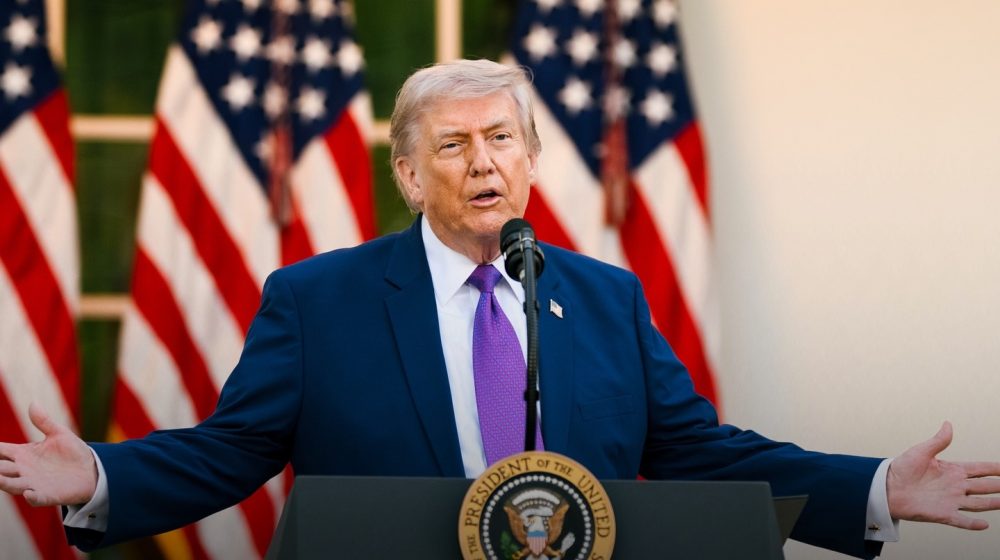
Trump’s administration, set to inherit this probe, could leverage it to impose additional tariffs on Chinese imports. With Trump’s previous tariffs reaching up to 25% on $370 billion worth of goods, a similar approach could escalate trade tensions. The Information Technology Industry Council has expressed concerns about the economic ripple effects, urging both administrations to handle the probe objectively.

Addressing Supply Chain Vulnerabilities
The U.S. government’s focus on legacy Chinese chips extends beyond direct imports. It also targets their integration into downstream products, such as medical devices and defense components. This probe underscores a broader effort to identify and mitigate vulnerabilities in critical industries reliant on foreign semiconductors.
The COVID-19 pandemic exposed the fragility of global supply chains, leading to production disruptions in sectors like automotive and healthcare. In response, the U.S. has allocated $52.7 billion for domestic semiconductor production and workforce development. This investment reflects a strategic shift toward building a resilient supply chain and reducing dependence on foreign chips.
China’s Response and the Trade War Context
China’s commerce ministry has called the probe “protectionist,” warning it could disrupt the global semiconductor supply chain and harm American companies. Beijing has vowed to defend its interests, labeling the U.S. actions as unfair trade practices. This stance mirrors the rhetoric of the U.S.-China trade war, which saw retaliatory measures on both sides.
Public hearings for the investigation are scheduled for March, with findings expected within a year. As the probe unfolds, its outcomes could shape not only U.S.-China trade relations but also the global semiconductor landscape.