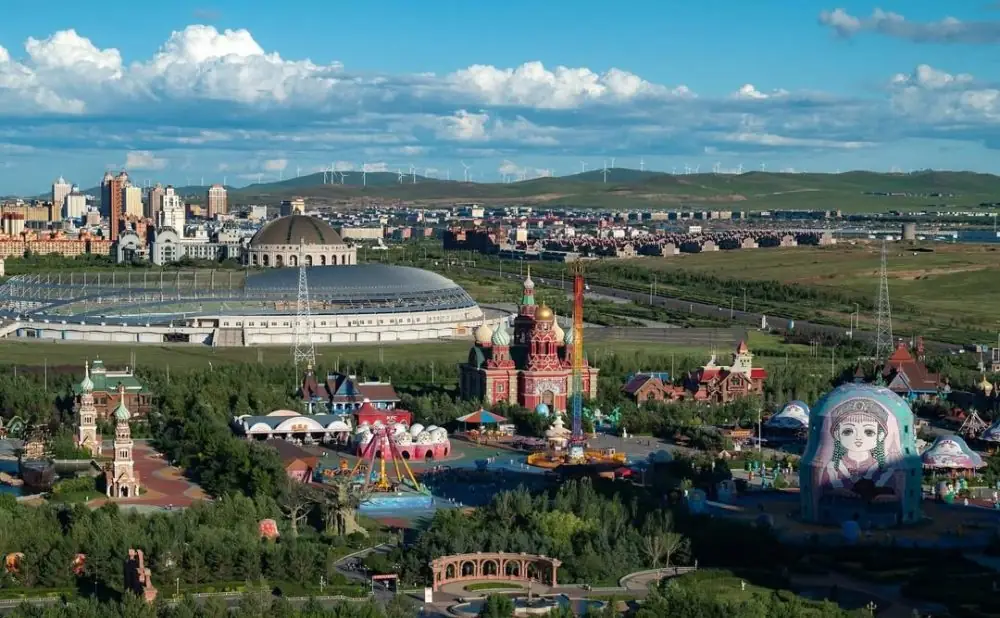
Manzhouli might not be a household name. But it is one of the primary reasons Russia’s economy has not collapsed under Western sanctions. This small Chinese border town is where billions of dollars in trade flow between China and Russia every year. Trains packed with Russian timber, oil, and coal roll in, while trucks haul back electronics, machinery, and everyday goods that Russia can’t produce enough of.
With an area of 696.3 square kilometres and a population of almost 250,000, Manzhouli has been one of the key drivers of the Russian economy for centuries!
However, the importance of the town is not new to Russia. Back in 1900, Russia built a railway through Manzhouli into China’s northeast, turning it into a trade artery. Today, that same railway keeps Russia’s economy breathing. Without Manzhouli, Russia would struggle to get the supplies it desperately needs.
How Trade Works in This Small Border Town
Russia sends raw materials like pine for construction, birch for chopsticks, and elm for coal mines through Manzhouli. China then processes these into finished products and ships them back. It is a one-sided deal! Russia gives away cheap resources while buying expensive manufactured goods. That is why experts call Russia an “economic satellite” of China.
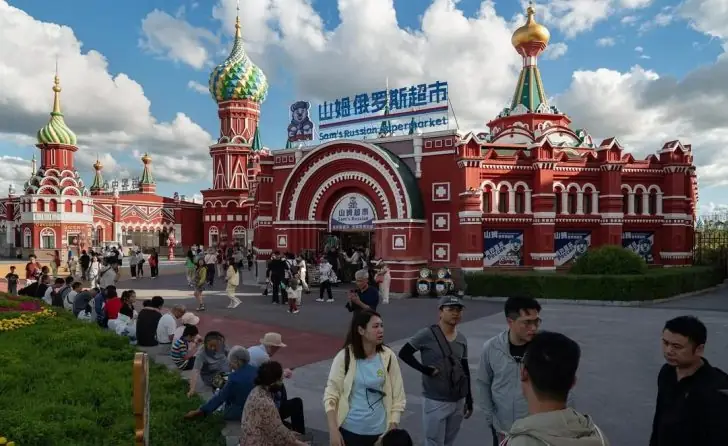
The trade slogan here says it all: “Russian supply, Chinese processing.” Russia digs up the materials, China turns them into something valuable, and both sides profit. But China gets the better end of the deal. This setup keeps Russian factories and mines running, but it also makes Moscow more dependent on Beijing than ever.
For China, Manzhouli Matters Way Beyond Trade
The town is not just about moving goods. It is a symbol of China’s growing influence over Russia. As Western sanctions bite, Moscow has leaned harder on Beijing for survival. Manzhouli is where that dependence plays out daily.
The deeper this trade relationship grows, the harder it is for Russia to pivot away from China.
This cozy economic alliance also strains China’s ties with Europe. The West watches closely as Beijing helps Moscow bypass sanctions. While China claims neutrality, towns like Manzhouli tell a different story. Every shipment that crosses the border strengthens the bond between the two nations and makes Europe nervous.
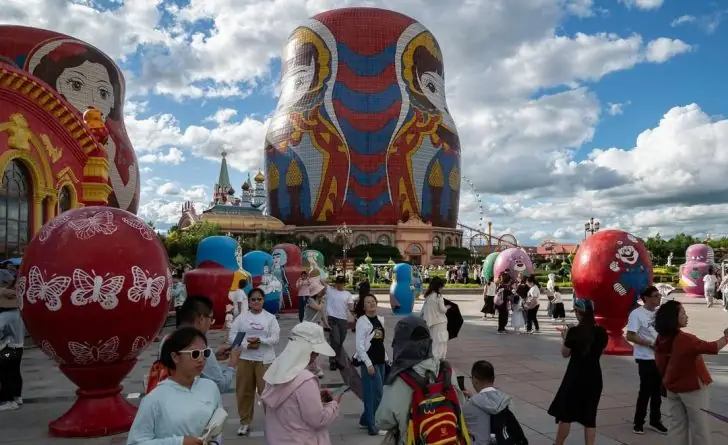
As long as Russia remains isolated, Manzhouli will keep thriving. The town’s railways and warehouses are busier than ever, handling everything from coal to consumer electronics. But there is a catch! Russia’s economy is becoming a junior partner to the Chinese economy.
One day, Moscow might regret relying so much on a single border town. But for now, Manzhouli is the glue holding Russia’s economy together. And as trade grows, so does China’s power over its northern neighbor, Russia.
The deepening economic ties between China and Russia, exemplified by Manzhouli, complicate China’s relationship with Europe and America. Perhaps these strong economic ties are the reasons why Russia’s economy doesn’t get major hits from European sanctions.